Did you know that prevention is better than regret? In the case of your home, this maxim applies perfectly. Preventive maintenance is the key to keeping your home in optimal condition, extending its useful life and avoiding costly repairs in the future.
What is preventive maintenance?
It is the set of tasks that we carry out on a regular basis to detect and solve possible problems before they become major breakdowns. It s like taking your car to the mechanic for a periodic check: this way you avoid unexpected breakdowns and prolong the useful life of your vehicle.
Why is preventive maintenance at home important?
- Save money: Detecting and solving problems early avoids costly repairs in the future.
- Increase the useful life of your home: By taking care of the different systems and elements of your home, you prolong their useful life.
- Improves security: A well-maintained home is a safer home.
- Increase the value of your property: A home in good condition will always be more attractive to potential buyers.
- Provides greater comfort: A well-maintained home is a more comfortable and pleasant home to live in.
What tasks does preventive maintenance include?
Preventive maintenance covers a wide range of tasks, but some of the most important are:
Roof and gutter inspection: Look for broken shingles, accumulations of leaves and other debris that could block water flow.
Plumbing check: Look for leaks, drips and blockages in pipes, toilets and faucets.
Electrical maintenance: Check electrical connections, replace burned out light bulbs and make sure the circuits are in good condition.
Drain cleaning: Avoid blockages and bad odors.
Heating and air conditioning maintenance: Clean filters, check pipes and make sure systems are working properly.
Paint: Protect the surfaces of your home from moisture and UV rays.
Inspection of windows and doors: Check the condition of the seals, closures and insulation.
How often should I perform preventive maintenance?
The frequency of preventive maintenance will depend on several factors, such as the climate, the age of your home, and how you use it. However, it is advisable to carry out a general inspection of your home at least once a year.
Additional Tips:
- Create a maintenance calendar: Establish a calendar with the tasks you must perform and their frequency.
- Hire a professional: If you don t feel comfortable performing some tasks, hire a professional to help you.
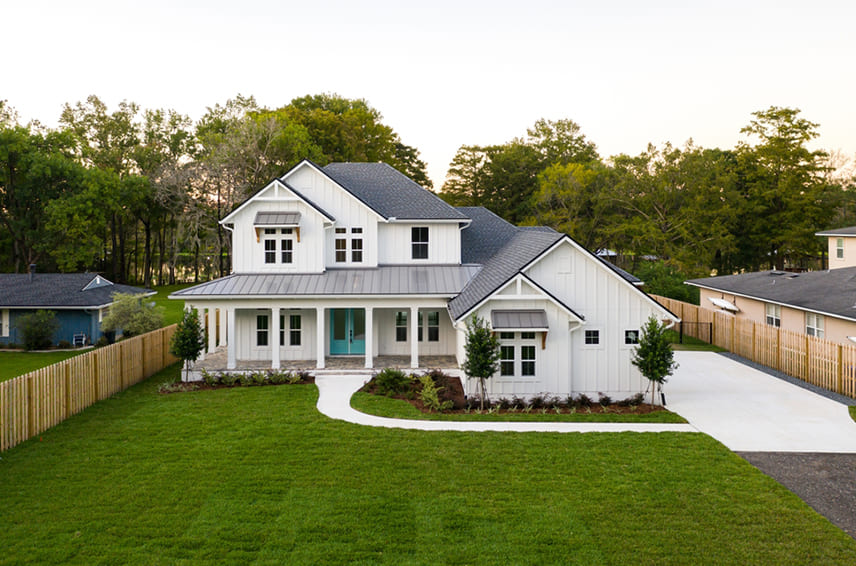
- Don t neglect the exterior: The exterior of your home also needs maintenance. Clean facades, prune trees and bushes, and check the condition of the roads.
In Conclusion
p reventive maintenance is an investment in your home and your well-being. By spending a little time and effort taking care of your home, you can enjoy a safer, more comfortable and long-lasting home.